










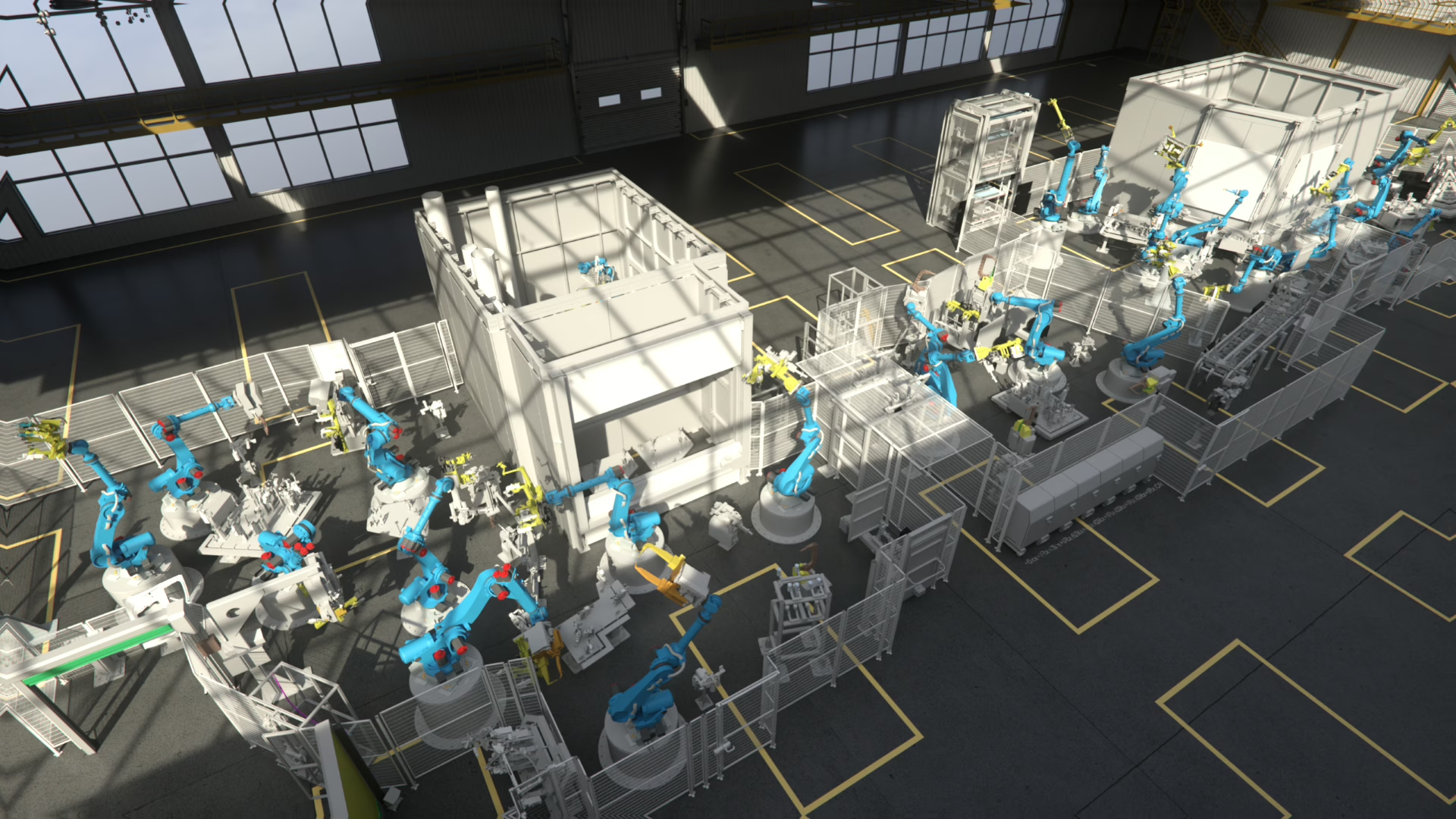
Engineering technologies
Engineering
technologies
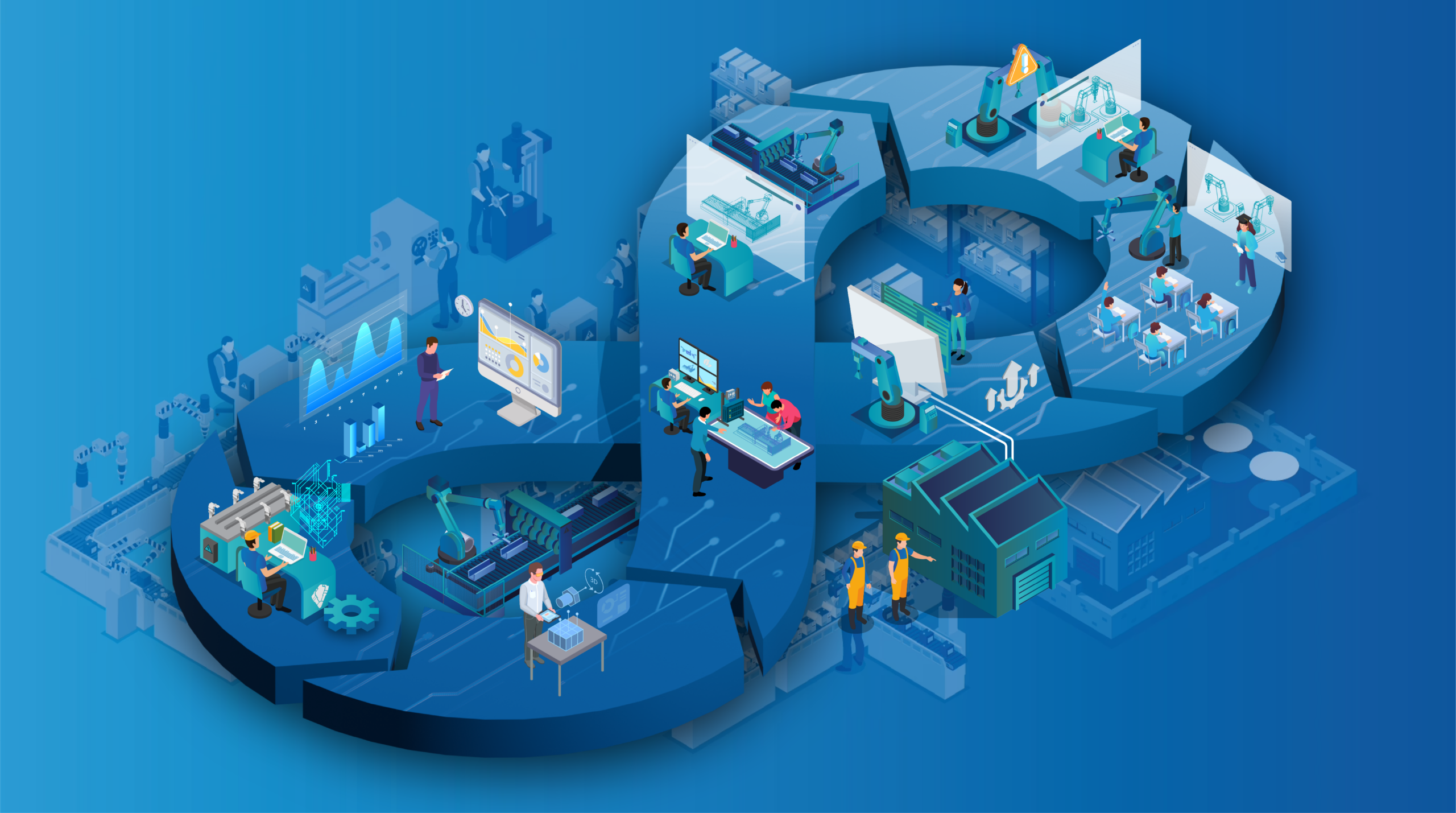
Cutting-edge automation technologies are revolutionizing engineering by presenting both innovative opportunities and complex challenges across various industrial sectors. Our expertise spans specialized domains like lightweight construction utilizing carbon grippers and advanced battery assembly techniques, positioning us at the forefront of technological innovation and precision manufacturing.
Engineering technologies
Digital development processes for efficient and high-quality production systems.
Engineering technologies
Lightweight systems and
advanced BIW manufacturing
We develop engineering technologies focused on lightweight construction, automated fixture systems and next-generation manufacturing processes for modern production environments.
Lightweight Construction for Fixtures, Grippers and Production Lines
Lightweight construction for fixtures, grippers, and production lines involves using advanced materials and manufacturing techniques to reduce weight while maintaining or improving functionality. Our approach offers numerous benefits including increased efficiency, reduced energy consumption, improved mobility, and lower costs, making it a transformative trend in modern manufacturing processes across various industries.
New Processes
Clinching and flow punch screws are innovative joining techniques used in automotive body-in-white manufacturing, offering single-sided fastening solutions for lightweight materials without pre-drilling.
Aluminum spot and MIG welding have been adapted for BIW applications, enabling the joining of aluminum components in vehicle structures.
With our expertise, we can effectively implement and optimize new BIW manufacturing processes, contributing to the production of lightweight, high-strength vehicle structures.
RF::Guard Automated Engineering
Our RF::GUARD software automates tedious manual engineering processes, streamlining the design, standardization, and optimization of fixtures. Our service not only saves time and reduces human error but also enables more efficient and consistent fixture development, allowing engineers to focus on more complex engineering aspects.
Engineering workflow
Digital tools and
standardized engineering processes
Through digital engineering tools, standardized components and advanced material expertise, we create scalable and future-proof manufacturing workflows.
Apply New and State-of-the-Art Materials
Through accurate data analysis and a deep understanding of materials, we effectively design and implement state-of-the-art materials for products across various industries. Examples are Aluminum, CFK and 3D Print of metals and plastics.
Standardization of Components and Single Parts
Standardised components in CAD significantly increase productivity, reduce errors, improve collaboration, streamline design processes, facilitate reuse and reduce costs. We provide end-to-end solutions for developing, implementing and maintaining consistent design standards, including template creation, block libraries and compliance checking.
Use of Digital Tools
Our digital tools approach streamlines the process by enabling rapid prototyping, simulation and collaborative design.
Using these tools, such as 3D modelling software and cloud-based platforms, our engineers can create detailed virtual representations, perform performance analysis and facilitate real-time collaboration between team members, leading to more efficient and innovative engineering results.
Technology stack
Tools we use for
industrial engineering workflows
We work with established engineering, simulation and automation systems to connect planning, validation and commissioning workflows.

CATIA
ABB
AutoCAD
DELMIA
FANUC Roboguide
Bentley MicroStation
NVIDIA Omniverse
RF::SUITE
RF::EdDi
RSLogix 500
Siemens NX
PLCSIM

