




01
Collision Detection
Detect critical states and potential collisions by evaluating virtual process variables in real time.


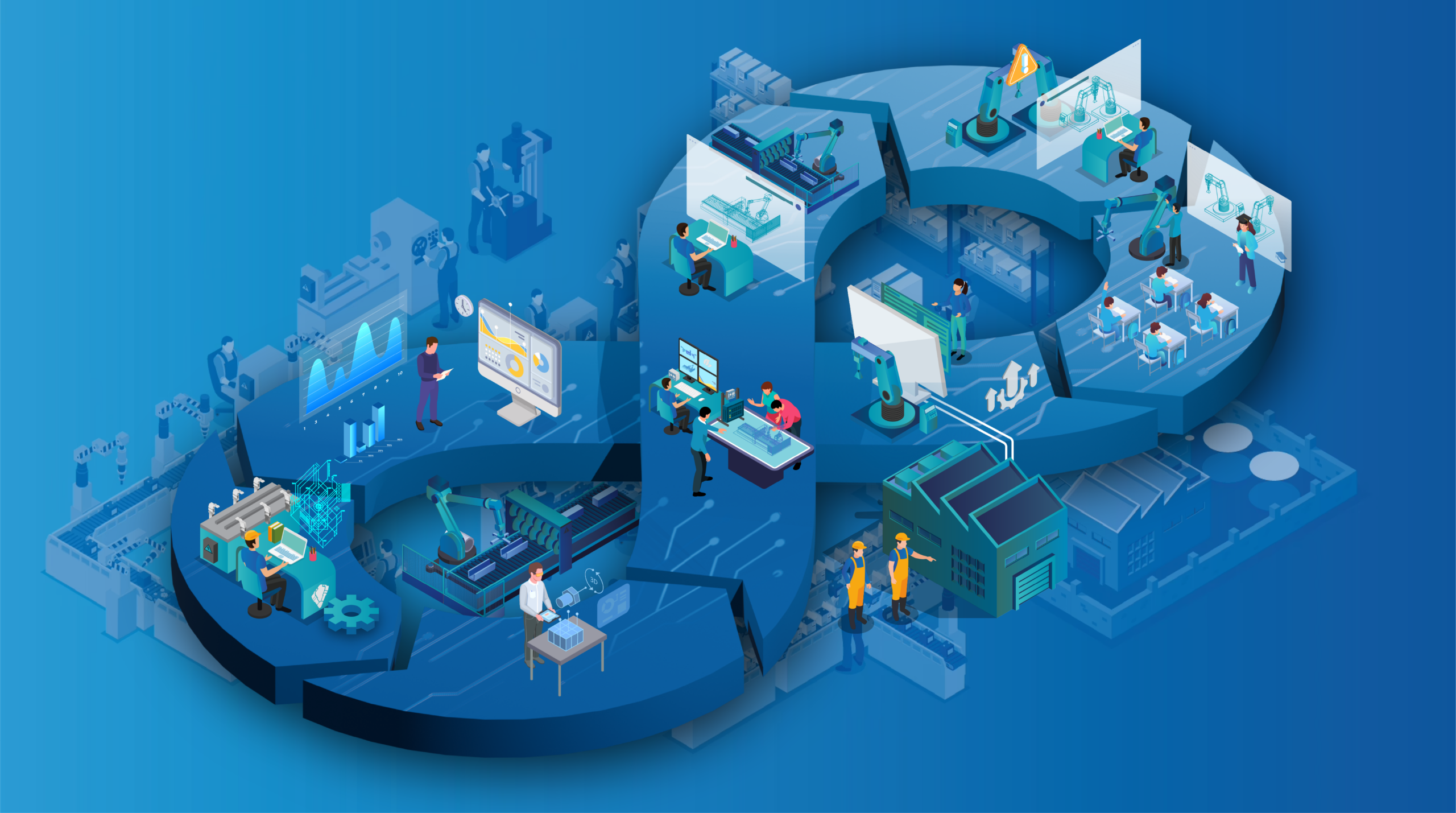
Move through every stage of automation with one connected approach.
Explore proven use cases for testing, validation and production optimization.
From initial planning to production-ready systems and automated engineering workflows.
Build reliable virtual commissioning workflows, industrial software and reusable expertise.
 Tools for the Digital Factory
RF::SUITE
One connected platform for engineering, simulation, validation and production intelligence.
Explore RF::SUITE →
Tools for the Digital Factory
RF::SUITE
One connected platform for engineering, simulation, validation and production intelligence.
Explore RF::SUITE →
Choose the tools your workflow needs and connect them within one consistent engineering environment.
 RF::YAMS3D simulation and material flow
→
RF::YAMS3D simulation and material flow
→
 RF::ViPerVirtual periphery simulation
→
RF::ViPerVirtual periphery simulation
→
 RF::RobSimRobot simulation
→
RF::RobSimRobot simulation
→
 RF::SCOUTAnalysis and optimization
→
RF::SCOUTAnalysis and optimization
→
 RF::CEREBData intelligence platform
→
RF::CEREBData intelligence platform
→
 RF::GUARDFixture simulation and validation
→
RF::GUARDFixture simulation and validation
→
 RF::FSBoxHardware for fieldbus simulation
→
RF::FSBoxHardware for fieldbus simulation
→
 RF::EdDiVirtual operator and PLC training
→
RF::EdDiVirtual operator and PLC training
→
 RF::VPM ToolProject and model preparation
→
RF::VPM ToolProject and model preparation
→
We combine simulation, virtual commissioning and industrial software expertise across demanding production environments.
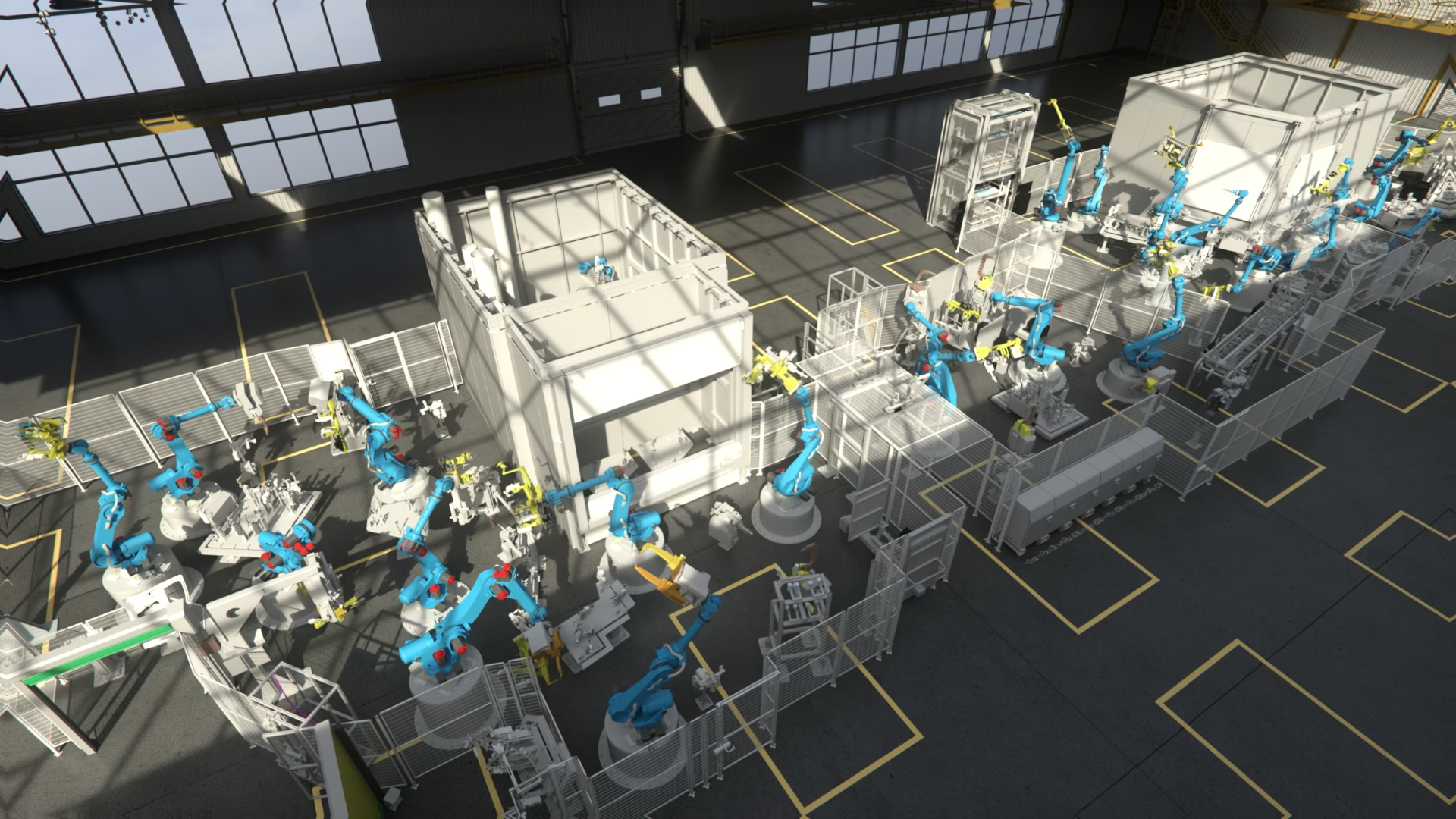
From individual machines to complex production lines: we connect engineering, simulation and operation throughout the entire lifecycle.